

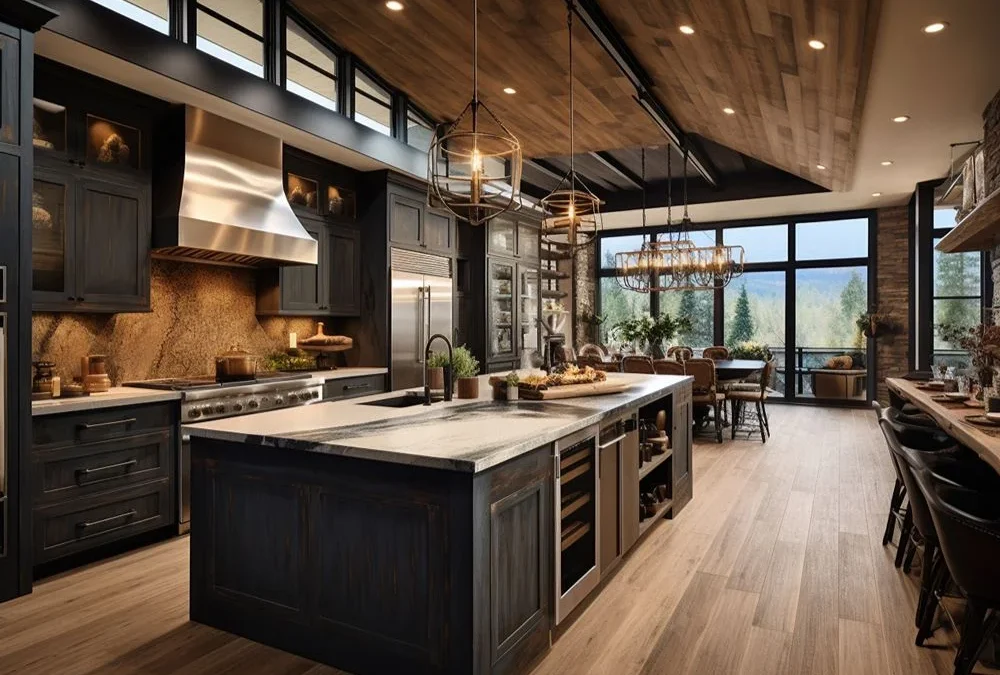
Whether you’re flipping a property in North Texas or getting your home ready to list, the kitchen is the room that makes or breaks a buyer’s first impression. It’s also the room where a well-planned remodel can meaningfully increase what your home sells for, and how fast it sells. But what’s the actual kitchen remodel ROI in Texas? Is it even worth upgrading?
Not all kitchen remodels are created equal. Spend too much and you won’t recoup it. Spend in the wrong places and buyers won’t notice. The key is knowing what actually adds value in the Texas market — and what’s just expensive. Here’s what you need to know about the kitchen remodel ROI in Texas.
Table of Contents:
- Why the Kitchen Matters More Than Any Other Room
- What the Kitchen Remodel ROI Data Actually Says
- Minor vs. Major Remodel: What’s the Difference?
- The Top Kitchen Remodel ROI Features
- Why Upgrading Too Much Hurts Kitchen Remodel ROI
- For Real Estate Investors: The Flip Math
- Ready to Start Planning?
Why the Kitchen Matters More Than Any Other Room
Buyers make up their minds fast. Most form a strong impression of a home within the first few minutes of walking through it — and the kitchen is almost always where that impression gets confirmed or lost.
An updated kitchen signals that the home has been cared for. It tells buyers they won’t have to do the work themselves. In a competitive market like North Texas, that peace of mind translates directly into stronger offers.
An outdated kitchen does the opposite. Even buyers who love everything else about a property will start mentally discounting when they walk into a kitchen with worn cabinets, dated countertops, and appliances that belong in a different decade. That discount shows up in their offer — or in the decision to move on entirely.
The kitchen is also the room buyers are most likely to photograph, share with a partner, and come back to in their head when they’re deciding between properties. No other room carries that weight.
What the Kitchen Remodel ROI Data Actually Says
Here’s the stat worth knowing: minor kitchen updates are currently returning 96.1% of their cost in added home value — meaning homeowners are nearly breaking even on the investment before factoring in faster sale time or stronger competing offers.
Major upscale remodels, on the other hand, return just 36% — meaning a $150,000 gut renovation returns about $54,000 in added value. That’s a significant loss on paper before you’ve even listed.
For Texas specifically, the West South Central region — which includes Texas — sees a minor kitchen remodel ROI of around 80.8%. Not as high as the national leader, but solidly positive — and that number doesn’t account for the intangible value of a faster sale, fewer days on market, or avoiding a price reduction.
The pattern is clear: strategic, targeted updates outperform full gut renovations on ROI almost every time.
Minor vs. Major Remodel: What’s the Difference?
This is the most important distinction to understand before spending a dollar.
Minor Kitchen Remodel
A minor remodel works within the existing layout. No walls moved, no plumbing relocated, no structural changes. The focus is on surfaces and finishes — the things buyers actually see and touch.
Typical scope includes:
- Cabinet refacing or repainting
- New countertops
- Updated appliances
- New hardware and fixtures
- Backsplash refresh
- Lighting updates
Cost range in Texas: roughly $15,000–$35,000 depending on material selections and kitchen size.
Major Kitchen Remodel
A major remodel changes the layout, moves plumbing or electrical, and often involves custom cabinetry and premium finishes throughout. It’s the right choice when the existing layout genuinely doesn’t work — not just when someone wants an upgrade.
Cost range in Texas: $50,000–$130,000+.
The ROI gap between these two scopes is stark. For most sellers and investors, a well-executed minor remodel is the play — especially if the existing layout is functional and the bones of the kitchen are solid.
The Top Kitchen Remodel ROI Features
Knowing which specific features move buyers helps you spend where it counts. Here’s what consistently shows up in buyer preference data and real estate agent feedback in the Texas market:
Updated Cabinets
Cabinets cover more visual real estate than any other element in the kitchen. Worn, dated, or damaged cabinets are the first thing buyers notice — and they mentally add up the cost of replacing them before making an offer. Full replacement isn’t always necessary. A professional repaint in a current color with new hardware can transform the room at a fraction of the cost.
Quartz or Stone Countertops
Laminate countertops are a buyer red flag in the current Texas market. Quartz is the standard expectation at most price points — it’s durable, low maintenance, and photographs well. Natural stone (quartzite, granite) resonates with higher-end buyers. Either way, updated countertops are one of the highest-visibility upgrades in the room.
Stainless Steel or Integrated Appliances
Mismatched or visibly old appliances date a kitchen fast. A matching stainless steel suite — even mid-range brands — reads as move-in ready. For higher-end listings, panel-ready integrated appliances that blend with the cabinetry add a custom feel that buyers respond to.
A Functional, Open Layout
Texas buyers expect open-concept. A kitchen that flows naturally into the living or dining area is table stakes in most North Texas markets right now. If a wall or peninsula is creating a visual barrier, removing it or opening it up is one of the highest-ROI structural changes available — particularly when it connects the kitchen to the main living space.
Updated Lighting
Lighting is underrated as a value driver. Recessed lighting, under-cabinet lighting, and a statement pendant or two over an island all contribute to a kitchen feeling current and well-designed. It’s a relatively low-cost update with a disproportionate impact on how the space photographs and shows.
A Clean, Neutral Palette
Buyers want to picture themselves in the space — not the current owner. Bold, highly personalized color choices narrow your buyer pool. Clean whites, soft greiges, warm off-whites, and natural wood tones are the safest choices for resale and consistently receive the strongest response in the Texas market.
Why Upgrading Too Much Hurts Kitchen Remodel ROI
One mistake worth avoiding: over-improving relative to the neighborhood.
The most expensive kitchen renovation mistake involves improving a property beyond what the surrounding market supports — a high-end kitchen in a modest neighborhood creates an immediate loss rather than value addition.
Before deciding on scope, look at what comparable homes in the area have. Your kitchen should be competitive with the best-updated kitchens in your price range — not dramatically exceed them. Buyers won’t pay for a $100,000 kitchen in a neighborhood where homes sell for $350,000, regardless of how beautiful it is.
The goal isn’t the nicest kitchen possible. It’s the kitchen that makes your home the most compelling option at your price point.
For Real Estate Investors: The Flip Math
If you’re remodeling to sell, the calculus is straightforward: spend where buyers will notice, keep scope tight, and don’t over-personalize.
The highest-return moves for a flip kitchen in North Texas:
- Repaint or reface cabinets rather than replace
- Install quartz countertops
- Update to a matching appliance suite
- Add a tile backsplash
- Replace hardware and fixtures throughout
- Improve lighting
A focused $20,000–$35,000 kitchen refresh on a flip can return $30,000–$50,000+ in added sale price in the right North Texas market — and meaningfully reduce days on market by making the home show-ready from day one.
Ready to Start Planning?
Now you know where to spend, where to pull back, and what Texas buyers are actually responding to. The next step is building out a remodel plan that fits your budget, your timeline, and the specific home you’re working with.
Our complete Texas kitchen remodeling guide walks you through the full process — from layout and materials to timelines and what to expect working with a contractor.
Read the Complete Texas Kitchen Remodeling Guide →
Sources: